What Is HiBoard™?
HiBoard™ is our proprietary plant-based fiber laminate developed specifically for electric guitar and bass pickup flatwork. It is engineered to deliver dimensional stability, electrical insulation, and tonal consistency while supporting our long-term commitment to sustainability and safer materials.
HiBoard™ is formaldehyde-free, CNC-machinable, and purpose-built for pickup bobbins—offering a modern alternative to traditional phenolic flatwork commonly referred to in the guitar world as forbon.
Why We Created HiBoard™
Traditional pickup flatwork has long relied on phenolic laminate materials. While effective, phenolic flatwork comes with tradeoffs that matter to modern builders:
-
Brittle edges that chip during machining
-
Hazardous phenolic dust
-
Sharp chemical odor
-
Petrochemical resin systems
-
Limited sustainability
HiBoard™ was developed to preserve the functional strengths of traditional flatwork—while eliminating many of its drawbacks.
How HiBoard™ Is Produced
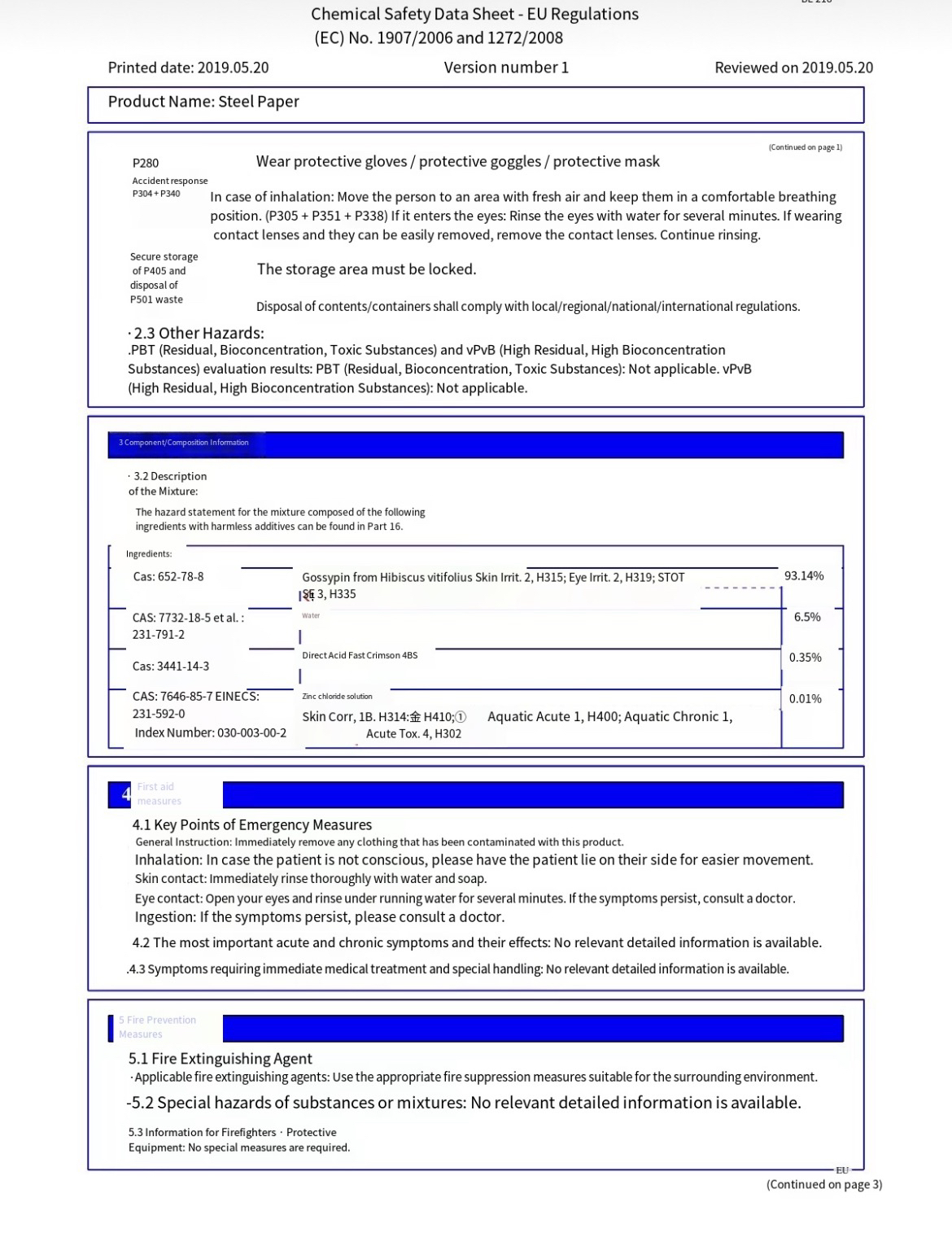
HiBoard™ is manufactured using plant-derived fibers, primarily sourced from hibiscus-based organic materials, which are compressed and cured into a dense, stable laminate optimized for pickup construction.
Production characteristics:
-
Bio-fiber reinforced laminate structure
-
Formaldehyde-free resin system
-
Controlled density and curing
-
Uniform thickness for CNC cutting
-
Designed specifically for pickup bobbins
Unlike generic industrial laminates, HiBoard™ is engineered from the start for guitar and bass pickups.
HiBoard™ vs Traditional Phenolic Flatwork (Forbon Comparison)
In guitar building, “forbon” is commonly used to describe phenolic pickup flatwork. HiBoard™ is not phenolic, and that distinction is intentional.
Material Comparison
| Feature | HiBoard™ | Traditional Phenolic Flatwork (“Forbon”) |
|---|---|---|
| Base fibers | Plant-based (hibiscus-derived) | Paper or cotton |
| Resin system | Bio-derived, formaldehyde-free | Phenol-formaldehyde |
| Formaldehyde | ❌ None | ⚠️ Present |
| Brittleness | Low | Higher |
| CNC machining | Clean, low chipping | Prone to chipping |
| Dust hazard | Reduced | Hazardous phenolic dust |
| Odor when machined | Mild / neutral | Sharp chemical odor |
| Electrical insulation | Excellent | Excellent |
| Sustainability | High | Low |
| Designed for pickups | ✅ Yes | ❌ Industrial repurpose |
Why Builders Are Choosing HiBoard™
Cleaner Machining
HiBoard™ machines cleanly with less edge chipping, especially in thinner top flatwork where phenolic materials are most fragile.
Stable Coil Geometry
The laminate’s controlled density helps maintain flatness and rigidity during winding, supporting consistent tension and repeatable results.
Safer Shop Environment
HiBoard™ avoids phenolic resins and formaldehyde, reducing exposure to hazardous dust and fumes during CNC cutting and drilling.
Sustain-Focused Design
HiBoard™ balances rigidity with subtle organic damping, supporting clear note definition and controlled resonance without over-stiffness.
Sustainability Without Compromise
HiBoard™ aligns with modern sustainability goals while maintaining the performance builders expect from traditional flatwork.
Applications
HiBoard™ is used across our pickup flatwork lineup, including:
-
Telecaster neck and bridge flatwork
-
Stratocaster single-coil flatwork
-
P-Bass split-coil flatwork
-
Custom and prototype pickup designs
Available in multiple thicknesses for vintage-correct and modern builds.
A Modern Alternative to Phenolic Pickup Flatwork
HiBoard™ represents a next-generation approach to pickup flatwork. While phenolic flatwork—often called forbon—has a long history in guitar building, HiBoard™ offers builders a cleaner, safer, and more sustainable option designed specifically for today’s shops.
HyBoard FAQ
Sustainable Pickup Flatwork for Guitar & Bass Builders
What is HiBoard™?
HiBoard™ is a proprietary plant-based fiber laminate developed specifically for electric guitar and bass pickup flatwork. It is engineered to provide stable coil geometry, excellent electrical insulation, and clean machinability—while eliminating the brittleness, toxicity, and petrochemical resins associated with traditional phenolic flatwork.
HiBoard™ is formaldehyde-free and purpose-built for pickup construction, not adapted from general industrial laminates.
Is HiBoard™ the same as Forbon?
No.
While “forbon” is commonly used in guitar building to describe phenolic pickup flatwork, HiBoard™ is not phenolic and is not Forbon®.
HiBoard™ was developed as a modern alternative to traditional phenolic flatwork, offering similar functional performance with improved machinability, reduced brittleness, and a more sustainable material profile.
Why replace phenolic (forbon) flatwork?
Traditional phenolic flatwork works—but it has drawbacks that matter in modern shops:
-
Brittle edges that chip easily
-
Hazardous phenolic dust
-
Sharp chemical odor when machined
-
Petrochemical resin systems
-
Industrial materials repurposed for pickups
HiBoard™preserves the strengths of phenolic flatwork while addressing these limitations.
What is HiBoard™ made from?
HiBoard™ is produced from plant-derived fibers, primarily sourced from hibiscus-based organic materials, which are compressed and cured into a dense, stable laminate.
It uses a formaldehyde-free resin system and is engineered specifically for pickup bobbins rather than general electrical insulation.
Is HiBoard™ safe to machine?
Yes.
HiBoard™ machines cleanly using standard CNC routers, drill presses, and pickup fabrication tools.
Compared to phenolic materials:
-
Less edge chipping
-
Reduced dust hazard
-
Minimal chemical odor
Standard dust collection and shop safety practices are still recommended, but HiBoard™ avoids many of the hazards associated with phenolic laminates.
Does HiBoard™ affect tone or sustain?
HiBoard™ is designed to be structurally stable and electrically neutral, ensuring consistent pickup performance.
Its organic fiber structure provides a balanced combination of rigidity and damping, supporting:
-
Clear note definition
-
Controlled resonance
-
Consistent winding tension
While flatwork material is only one part of the pickup system, builders report HiBoard™ performs comparably—or more consistently—than traditional phenolic flatwork.
What pickups can HiBoard™ be used for?
HiBoard™ is used across a wide range of pickup designs, including:
-
Telecaster neck and bridge pickups
-
Stratocaster single-coil pickups
-
P-Bass split-coil pickups
-
Custom and prototype designs
It is available in multiple thicknesses to support both vintage-style and modern coil geometries.
What are HiBoard™ variants?
HiBoard™ is offered in two engineered variants to support different pickup design goals:
What is HiBoard™-V?
HiBoard™-V is optimized for vintage-style pickup construction.
Characteristics:
-
Slightly lower density
-
Subtle organic damping
-
Optimized for traditional coil geometries
-
Excellent for vintage-correct thicknesses
Best for:
-
’50s–’60s style single-coils
-
Vintage-output Telecaster and Stratocaster pickups
-
Builders chasing classic response and feel
What is HiBoard™-M?
HiBoard™-M is optimized for modern and high-consistency builds.
Characteristics:
-
Higher density and rigidity
-
Maximum dimensional stability
-
Extremely consistent CNC results
-
Ideal for tighter tolerances
Best for:
-
Modern single-coils
-
Higher-output or overwound designs
-
Small-batch and production environments
Can HiBoard™-V and HiBoard™-M be mixed in the same pickup?
Yes.
Some builders choose to:
This allows fine control over coil behavior without changing magnets or wire.
Is HiBoard™ vintage-correct?
HiBoard™ is dimensionally compatible with vintage pickup designs, but it is not chemically identical to historical phenolic flatwork.
It is best described as:
Vintage-compatible, modern-material flatwork
Why did you create your own flatwork material?
We wanted a material that:
-
Was designed specifically for pickups
-
Reduced health and safety risks
-
Aligned with sustainability goals
-
Delivered consistent, repeatable results for builders
HiBoard™ allows us to control quality, thickness, and performance—rather than relying on repurposed industrial laminates.
Will HiBoard™ replace phenolic flatwork entirely?
That depends on the builder.
HiBoard™ is ideal for:
-
Builders seeking safer materials
-
Shops focused on sustainability
-
Consistent CNC-based workflows
Some builders may still prefer traditional phenolic materials for historical reasons. HiBoard™ gives builders a modern, purpose-built alternative.